
The Heavy Crown of the Creator: Why Fictional Grief Feels So Real
I just finished watching the Season 1 finale of House of the Dragon, and I have a confession to make: I am genuinely heartbroken. Watching young Prince Lucerys Velaryon and his loyal, terrified dragon Arrax meet their tragic end high above the stormy skies of Shipbreaker Bay felt like a physical gut punch. Logically, I know Westeros doesn't exist. I know the dragons are digital illusions and the tragedy was scripted long ago. Yet, the sadness I feel is palpable. It begs a fascinating question about the human mind: why do we mourn so deeply for those who never existed?
2/27/20262 min read
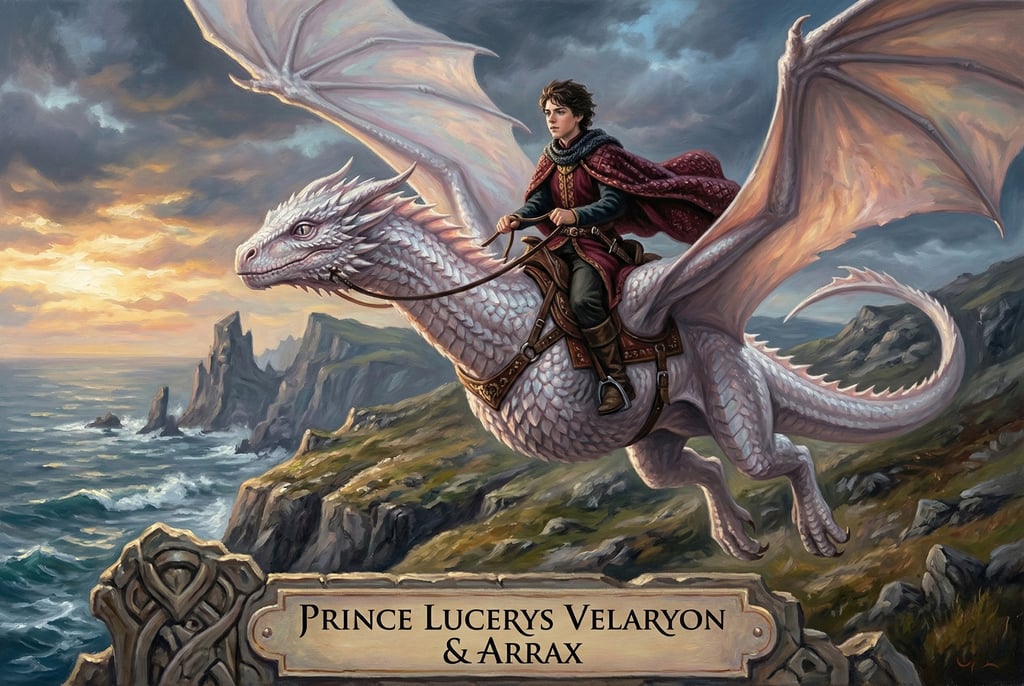
The answer lies in the sheer power of human empathy. When we surrender ourselves to a well-crafted story, our brains don't fully separate the act of witnessing an event from experiencing it. Our mirror neurons fire up, meaning when we see a character we care about express fear or suffer a loss, we instinctively experience a shadow of their emotion. Empathy doesn't have an "off" switch just because the subject is fictional. We spend hours, sometimes years, living alongside these characters. We understand their deepest fears and root for their triumphs. The situations they face might be made up, but the themes—a mother's grief, the loss of innocence, the cruelty of fate—are universally real.
This recent heartbreak as a viewer, however, brought me face-to-face with a strange paradox I experience as a writer.
Whenever I sit down to weave the timelines and craft the narrative of Echoes of The Past, I am technically the architect of my characters' destinies. I hold the pen; I dictate who lives, who thrives, and who falls. Yet, despite having absolute power over their fates, I often find myself agonizing alongside them. When my characters hurt, I feel their pain bleeding through the keyboard.
There is an underlying fear that shadows my writing process: the dread of having to kill off a character. To a reader, a character's death is a sudden shock. But to the writer, it is a prolonged, agonizing goodbye. You breathe life into them, shape their dreams, and understand their flaws better than anyone else. To orchestrate their end feels almost like a betrayal. I find myself hesitating, desperately searching for a narrative loophole or a twist in time that might spare them, simply because their suffering becomes my own emotional burden.
It is a beautiful, albeit painful, realization. Whether we are reading a book, watching a prince fall from the sky, or drafting the darkest chapter of our own universe, the emotions we feel are undeniably real. Fictional characters act as safe vessels for us to explore our own capacity for love, grief, and empathy. The tears we shed for them aren't foolish; they are proof that the story—whether we are consuming it or creating it—is alive.
Subscribe
Join our newsletter for updates and stories.
To Contact
Chrono verse | V.P. Blackwood
© 2025-2026. All rights reserved.
Visit our youtube channel to listen to Soundtracks of the series